Fashion Profile: Barbara Hulanicki

Barbara Hulanicki built her brand "Biba", named after her younger sister, from a mail order company. It soon grew into one of the most influential and popular clothing shops of the 60s & 70s.
Born: 1936
Famous for: Founding BIBA, so popular in the 60s and 70s that is has been relaunched in England.
Style Characteristics: Maxi dresses and bold, individual prints.
Early Life
 Barbara Hulanicki was born in Warsaw, to Polish parents, however she was brought to England at a young age.
Hulanicki studied at Brighton School of Art, and began an early career drawing illustrations for popular fashion magazines such as Vogue and Tatler.
These illustrations were extremely ornate and led to her designing her own clothes, rather than drawing others'...
Mail Order
Although Barbara only had a few designs, she began to sell them in small quantities through adverts in newspapers such as The Daily Mirror.
Hulanicki was surprised that the designs sold out so fast as she could only afford to produce them in one size and style. The first design she sold was a pink gingham dress, similar to one style icon, Brigitte Bardot, had worn around the same time.
 As popularity grew, Barbara Hulanicki felt pressure to create her own brand and line of clothing. This led to the launch of "Biba".
The first shop was in Kensington, a fashionable part of London at the time it opened in September 1964. The shop opened at 10am and everything was sold out by 11, "no one asked if there were any other styles or sizes".
The shops' main target market was teenage girls as in the late 50s/early 60s, there weren't any specialist clothes for fashion conscious teenagers. Barbara observed this and created a revolutionary brand specifically to bring new styles of dress to an audience that was in need of a change.
Big Biba
After many changes in location, Biba had evolved into a brand. Hulanicki was now designing for everyone - menswear, children's clothes, maternity wear and make-up were now added to her collection.

In 1974, Biba was housed in a seven-storey department store (attracting up to a million customers weekly). It became a tourist attraction as Barbara Hulanicki had created a shopping experience as well as a brand.
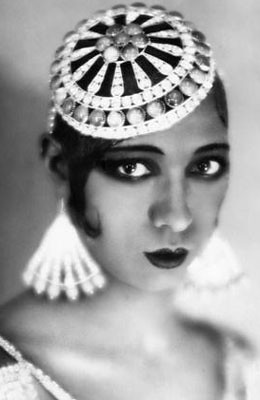
It soon became known as "Big Biba" and the Art Deco-interior was reminiscent of the Golden Age of Hollywood. Although Barbara was introducing new styles to fashion conscious Londoners, she was greatly influenced by the Twenties. The models and sales assistants wore dark make-up, not dissimilar to that worn by Josephine Baker or Louise Brooks.
"Big Biba" grew in popularity, and was favoured by the rock and fashion glitterati (such as Twiggy, Bianca and Mick Jagger).
Biba's Demise
Bib Biba was a huge responsibility financially and Barbara Hulanicki decided to sell her company off.
 Barbara moved to Miami and carried out a career as an interior designer, a continuation of her combined love for Art Deco and illustration.
Biba is Back
Since its demise, Barbara has continued designing clothes, most notably for Topshop, and following such success has decided to relaunch Biba in England.
The designs and styles that defined the 60s and 70s remain similar, as Barbara noticed the rise in popularity of vintage fashion.
-CLICK HERE TO READ MY ARTICLE ON THE RETURN OF BIBA-
"There is very little difference today as opposed to the ‘70s, although, there is much more choice now. Both periods share the same enthusiasm, if you press the right buttons."
"There is very little difference today as opposed to the ‘70s, although, there is much more choice now. Both periods share the same enthusiasm, if you press the right buttons."
-Barbara Hulanicki
&&